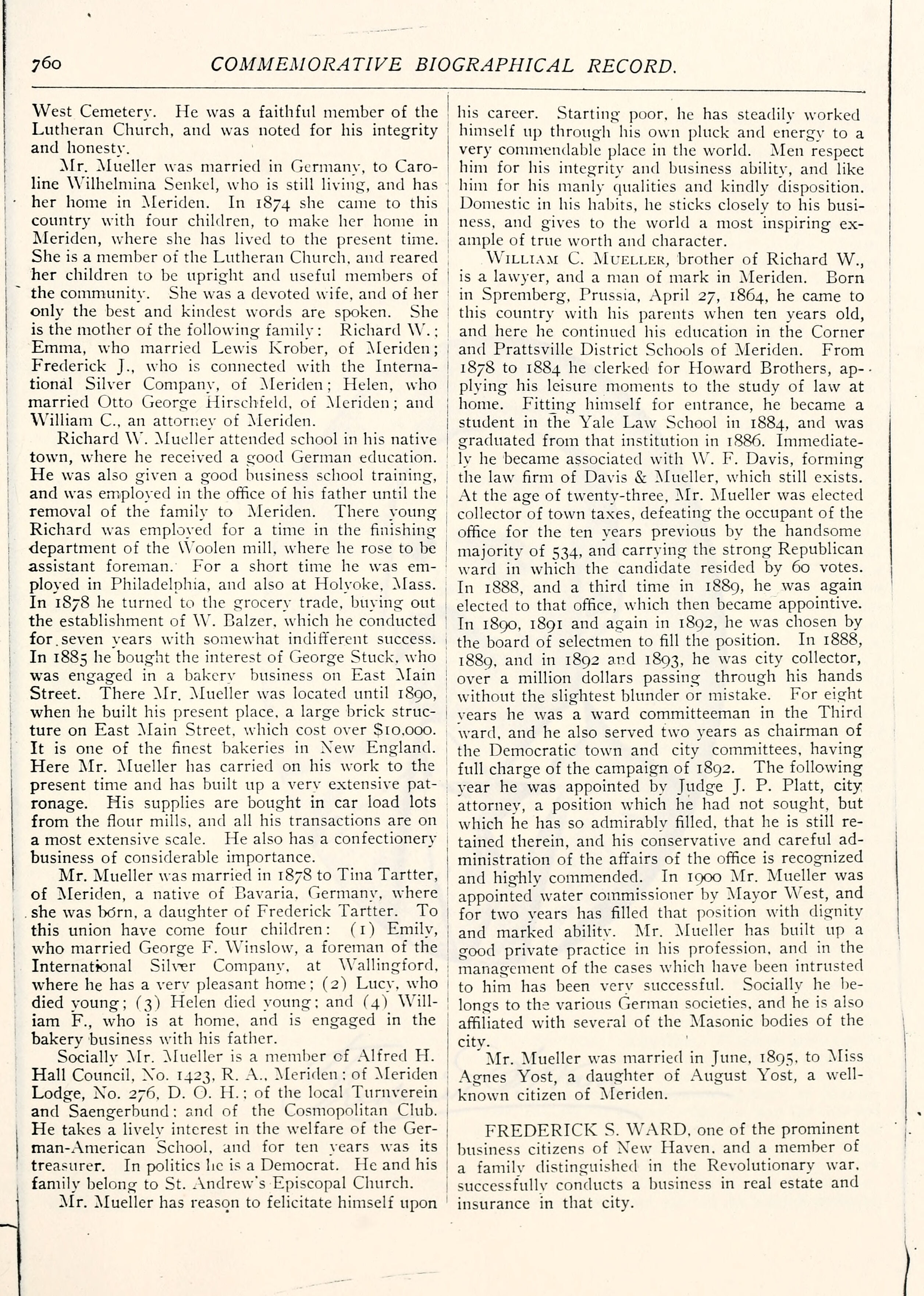
West Cemetery’s history extends beyond the names on monuments. A federal sanitary account for the 1880 reporting period records four acres and seventy-six interments during the reported year. It places the burial ground within municipal public-health reporting and points toward monthly sexton returns. These are aggregate figures, not seventy-six newly identified people or a complete burial register.
A dispute over Orange Street curbing produced the 1910 case Meriden v. West Meriden Cemetery Association, 83 Conn. 204. The opinion describes six and one-half acres divided into 588 lots and explains that the association retained land title while selling burial rights. That historical finding illuminates how a cemetery could be administered and financed. It does not establish present ownership, and the difference from the earlier acreage requires dated boundary evidence rather than an assumed expansion story.
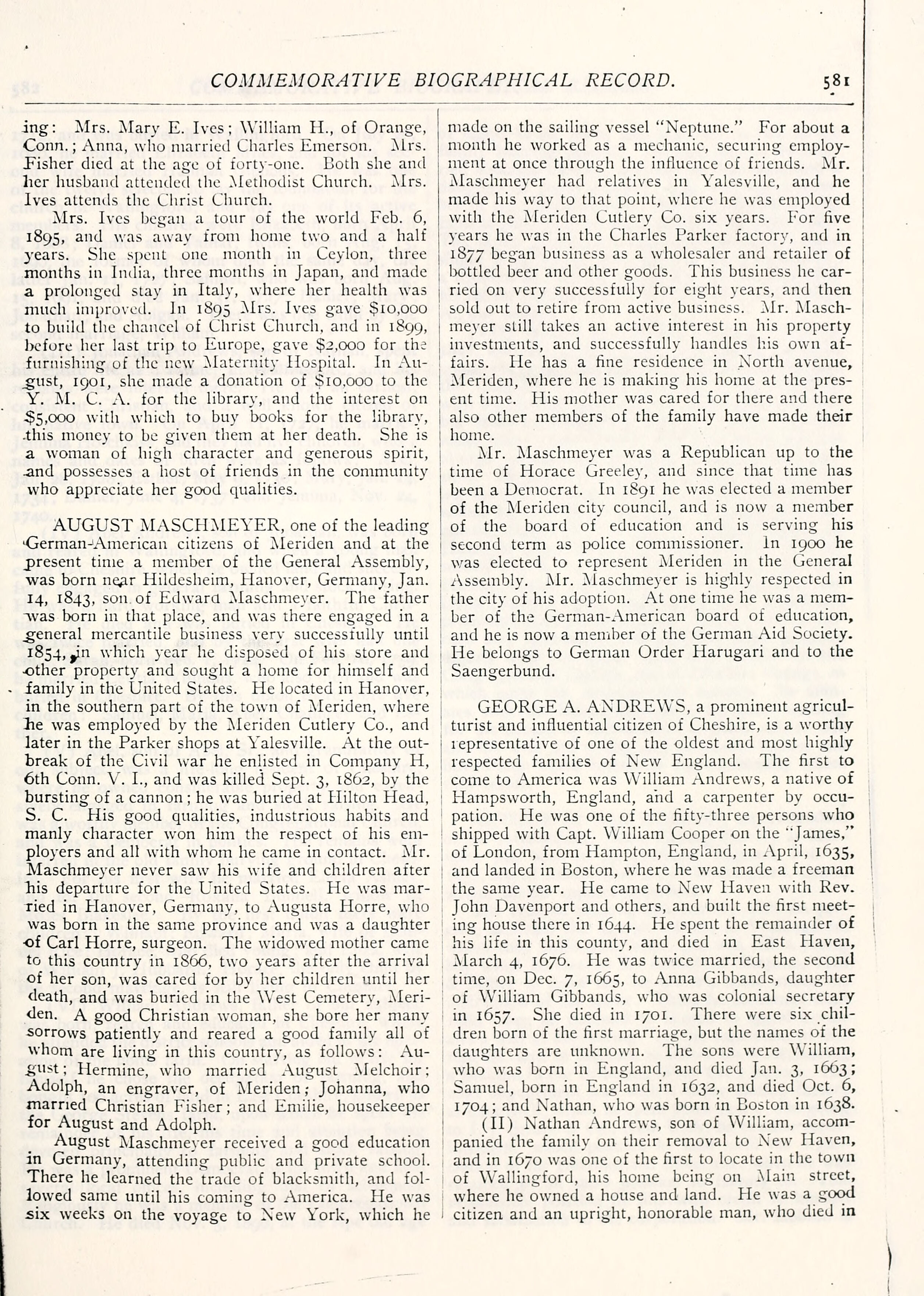
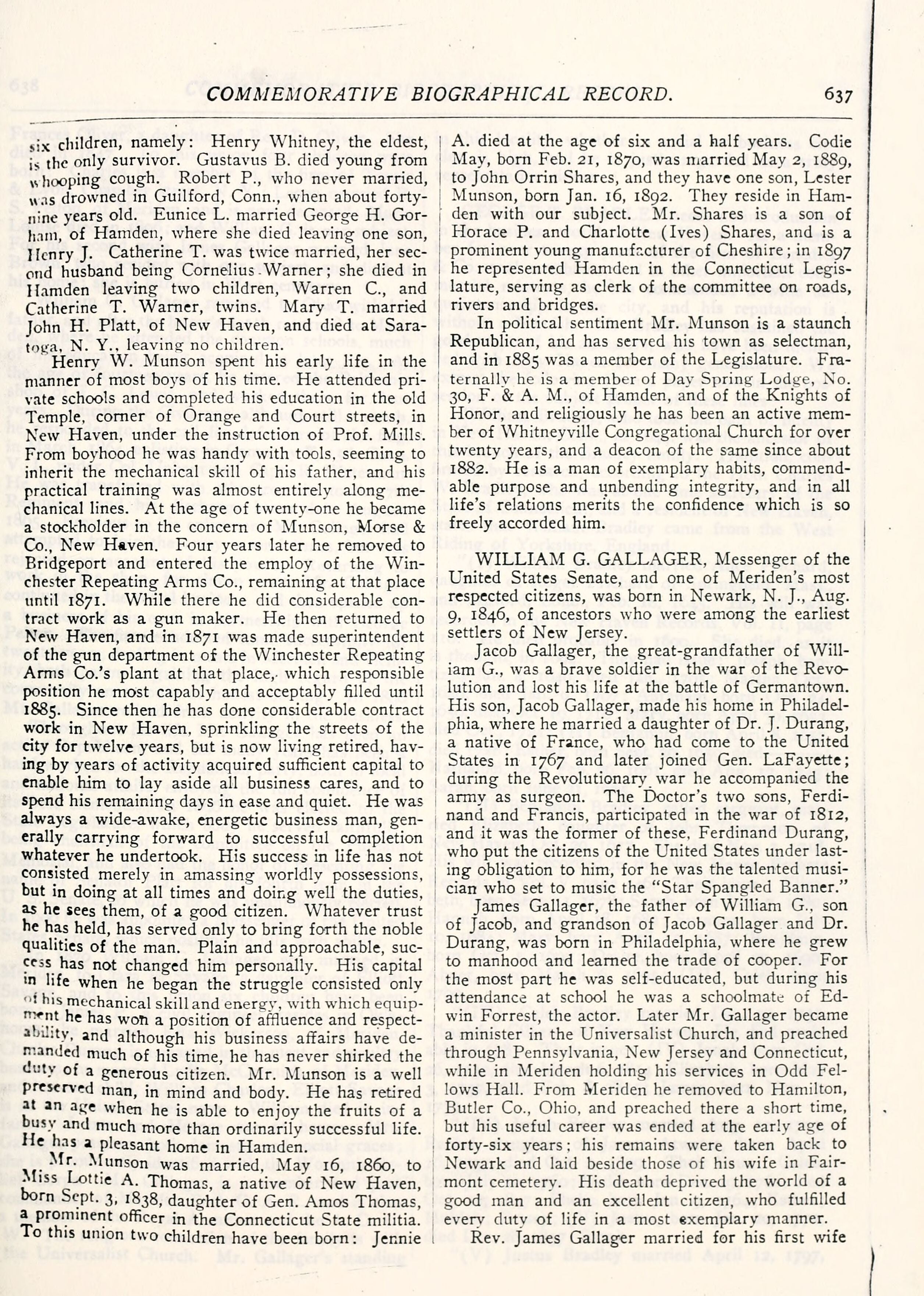
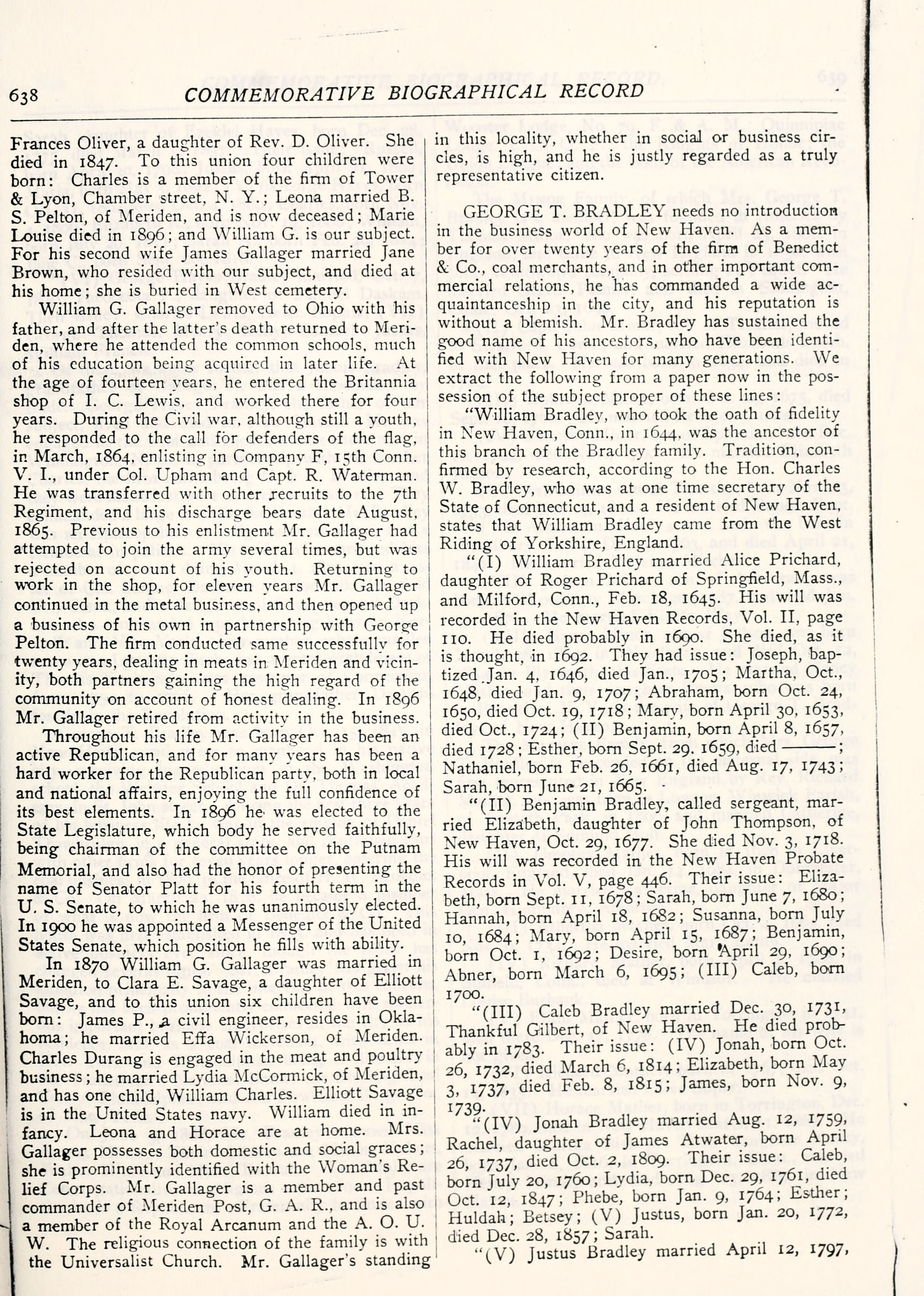
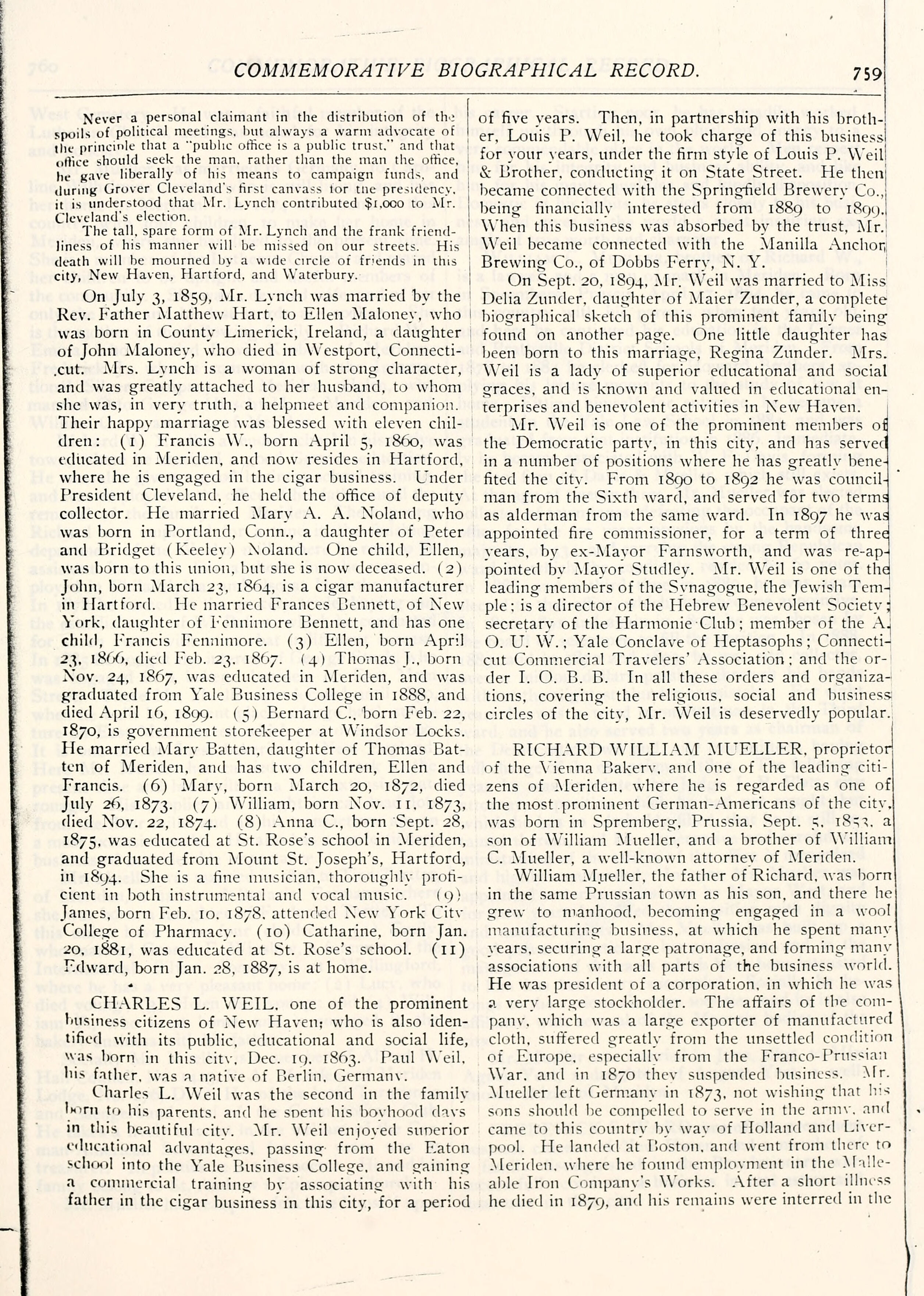
The Hale survey provides another kind of record. The surviving transcription header credits Lynn C. Webber with copying West Cemetery inscriptions on October 5, 1934. The official locator identifies cemetery 211-10, Volume 26, pages 421–483. Selected Osborne and Osborn entries were already in this archive; the new locator helps define the still-missing complete survey without counting the same people twice.
Later civic records document attention to care. Meriden’s proposed 2020–2021 budget lists an ongoing neglected-cemetery grant for West Cemetery. A grant or a care-of-city address does not establish a transfer of title. Land records, association records and maintenance documents answer different questions and should remain distinct.
These sources support a more detailed history of the cemetery as a community institution: a place of burial, an association holding land, a subject of public-health reporting and a landscape needing care. The exact founding and first-opening dates remain unverified. Recovering the complete Hale pages, original sexton returns and association minute or lot books would connect that institutional story with individual lives more securely.