Read the full story of Eli Whitney Armory & Mill River
COLLECTION HISTORY
The people behind the place.
In 1798, Eli Whitney secured a federal contract for 10,000 muskets and established an armory on the Mill River between New Haven and Hamden. The museum explains that the site combined a waterfall suitable for power with a tidal river that offered transportation. [CT041-S01] [CT041-S02] [CT041-S03] [CT041-S04]
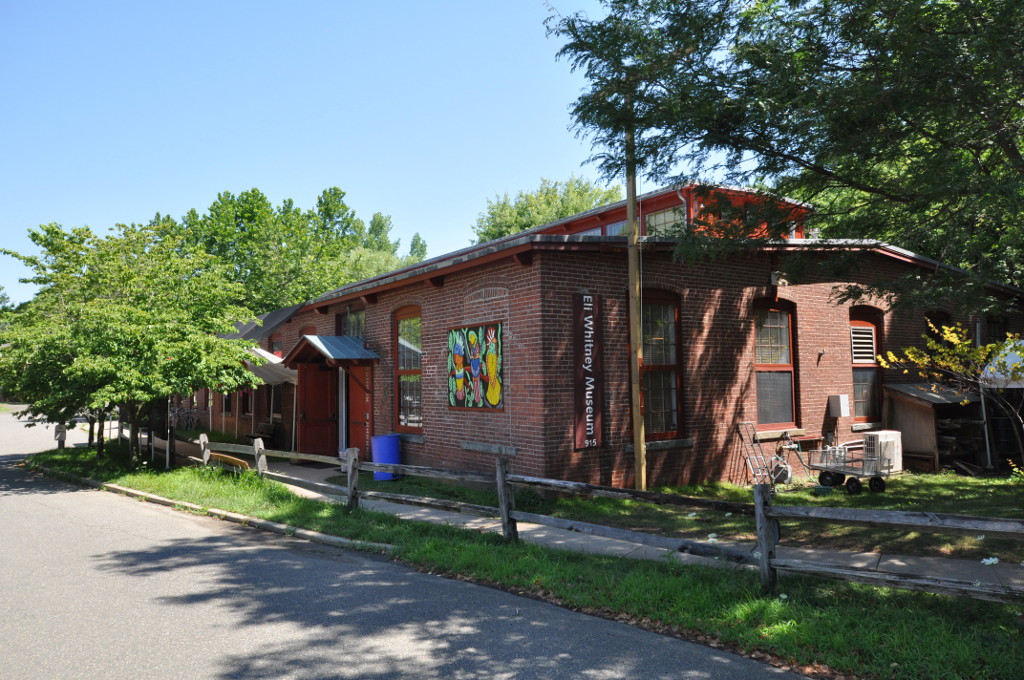
The armory’s workshops changed over time and were rebuilt after an explosion in 1860. Many older structures were demolished in 1964. The present museum therefore preserves a layered industrial site rather than an untouched factory from Whitney’s lifetime. [CT041-S01] [CT041-S02] [CT041-S03] [CT041-S04]
Whitney's 1798 contract connected a local river site with a national demand for weapons. The location offered two advantages identified by the museum: falling water for power and a tidal connection for transportation. Those advantages help explain why the armory belongs in the history of the Mill River rather than in a biography of one inventor alone. Buildings, waterways and deliveries were parts of the same undertaking. [CT041-S01] [CT041-S02] [CT041-S03]
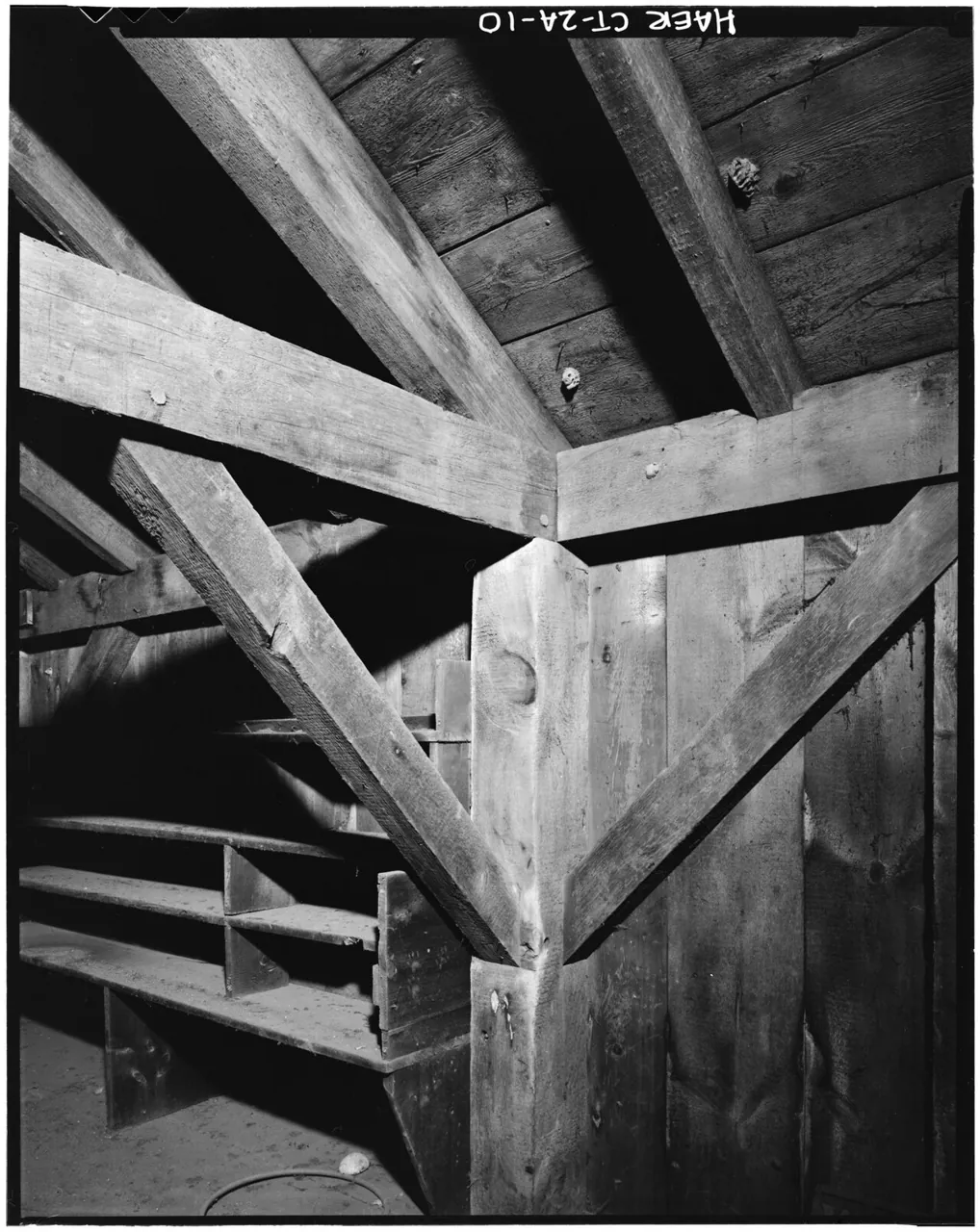
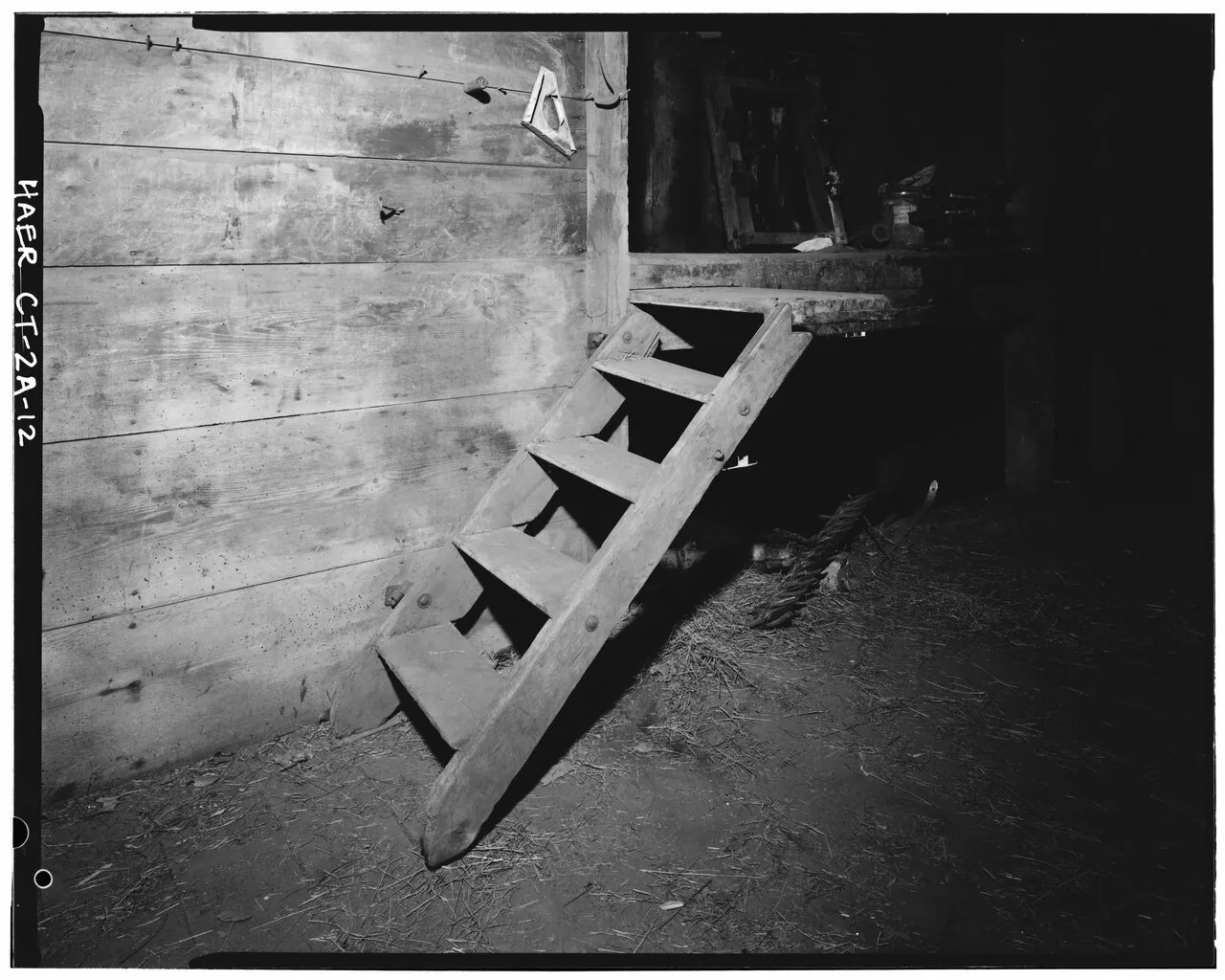
The explosion of 1860 and demolitions of 1964 interrupt any easy image of an unchanged Whitney-era factory. Later buildings and archaeological remains must be dated individually. Survey photographs of a barn, a workshop site or the riverbank can show what survived when recorded, but not automatically what stood there in 1798. The museum landscape is consequently a place to follow rebuilding and preservation, with missing structures as much a part of the story as those still visible. [CT041-S01] [CT041-S02] [CT041-S03]
HISTORICAL PERIOD1798 federal musket contract
SITE & COLLECTION STATUSFormer armory; museum and workshop site
New Haven County · 11 included photographs
Research edition: September 12, 2026
About this research edition. A selected, source-based research collection for New Haven and Fairfield counties. Includes credited photographs where reusable images were located, historical interpretation and links to supporting records. It is a growing inventory, not an exhaustive survey. Photographs retain their individual dates and reuse terms; images do not establish present access conditions.