Read the full story of Farmington Canal: New Haven, Hamden & Cheshire
COLLECTION HISTORY
The people behind the place.
The Farmington Canal served this area from 1828 to 1847. The state’s Cheshire–Hamden trail follows part of that route, preserving canal-bed remnants, locks and retaining walls within a later public greenway. [CT059-S01] [CT059-S02]
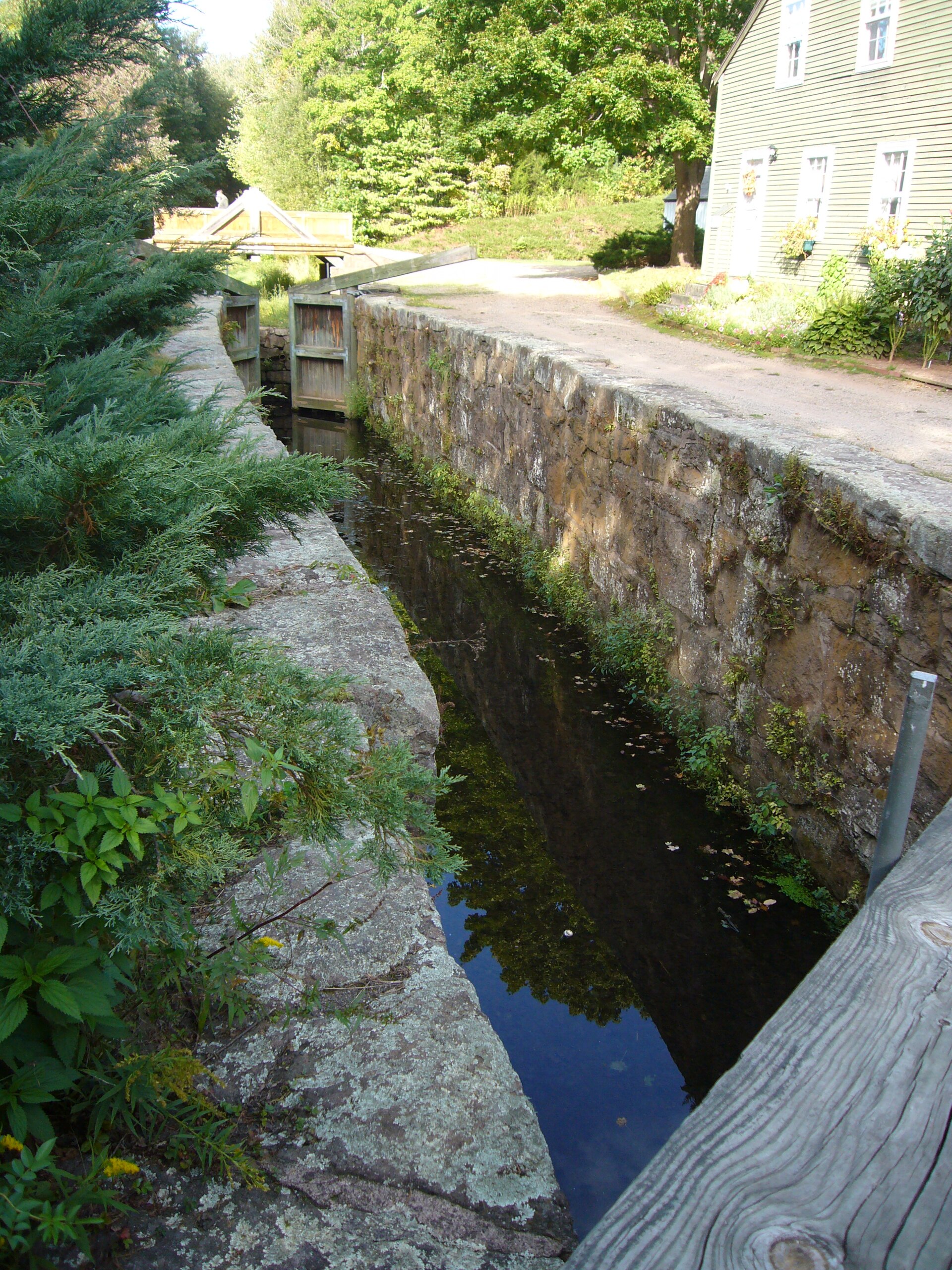
Rail transportation followed the canal era, and the former transportation corridor eventually became a heritage trail. Lock 12 in Cheshire is a particularly useful place to study how a canal managed elevation. The canal, railway and trail are distinct phases of the same landscape. [CT059-S01] [CT059-S02]
The canal operated from 1828 to 1847, but its route continued to organize movement after canal traffic ended. Railway use and the later heritage trail placed successive transport systems in related ground. These systems should be studied as separate phases rather than described as a single uninterrupted canal. New Haven, Hamden and Cheshire each preserve parts of that larger story. [CT059-S01] [CT059-S02]
Lock 12 makes a canal's need to manage elevation tangible. Canal beds, retaining walls and later rail remnants can be compared to see what was retained, altered or covered over. A photograph of a restored lock is evidence of its recorded condition, while engineering plans and canal records explain operation. Modern trail construction is another dated intervention. Following the corridor in this way connects changing technology to a landscape that continued to guide routes long after its first transport business ended. [CT059-S01] [CT059-S02]
HISTORICAL PERIOD1828–1847 canal service
SITE & COLLECTION STATUSFormer canal and railway corridor; heritage trail
New Haven County · 6 included photographs
Research edition: September 12, 2026
About this research edition. A selected, source-based research collection for New Haven and Fairfield counties. Includes credited photographs where reusable images were located, historical interpretation and links to supporting records. It is a growing inventory, not an exhaustive survey. Photographs retain their individual dates and reuse terms; images do not establish present access conditions.



.jpg)