Read the full story of Gilbert & Bennett Wire Mill, Georgetown
COLLECTION HISTORY
The people behind the place.
Benjamin Gilbert began making household sieves in 1818. His operation moved toward machinery and wire products: wire cloth appeared in 1837, followed by a wire-drawing mill in 1863 and powered weaving in 1865. The river supplied the setting for this transformation. [CT046-S01]
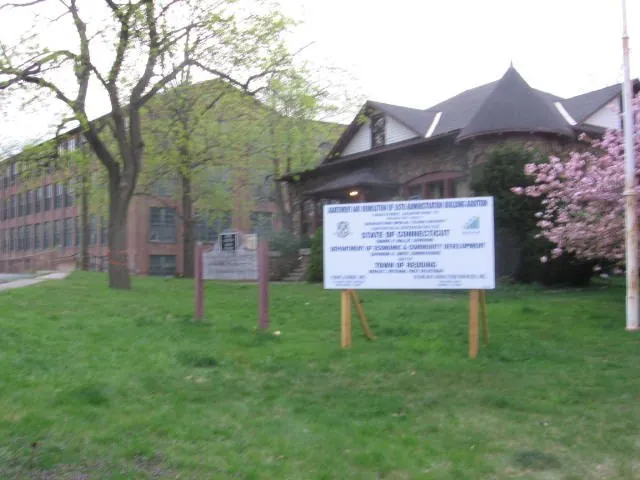
A fire in 1874 led to rebuilding, with later major construction in 1909 and 1922. The preservation inventory contains an older account written while manufacturing continued; its later property notes instead describe brownfield investigation, cleanup funding and redevelopment planning. Those dates must not be collapsed into a single present-tense description. [CT046-S01]
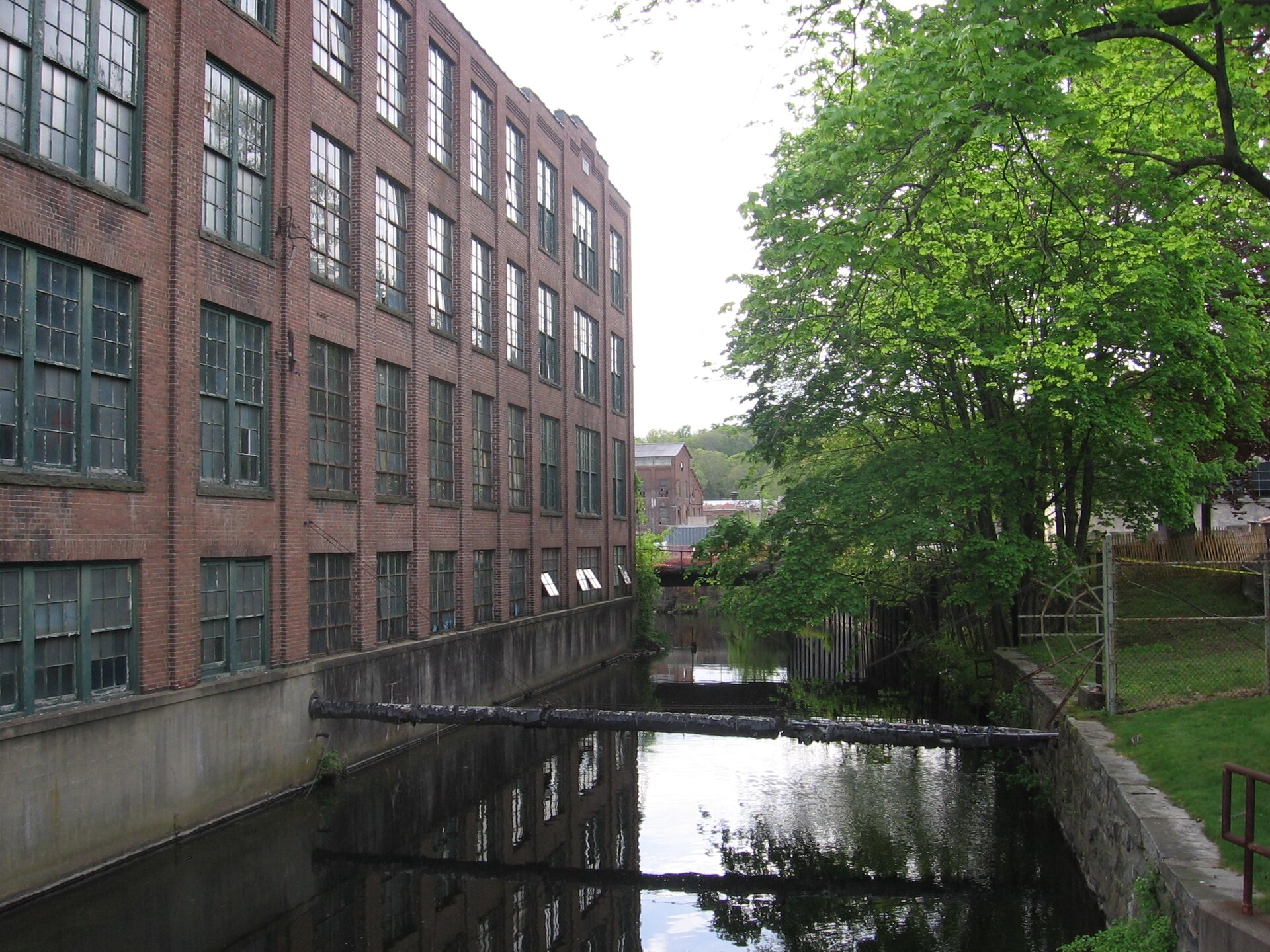
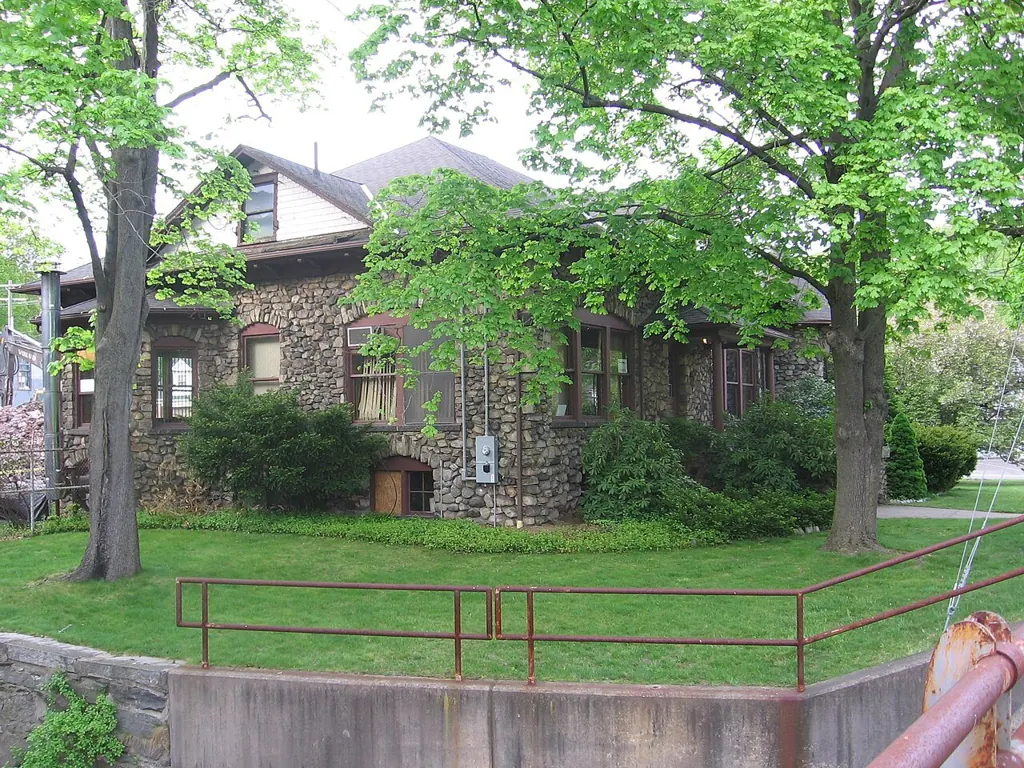
The sequence from sieves in 1818 to wire cloth in 1837, wire drawing in 1863 and powered weaving in 1865 shows a business changing its methods as well as its products. A familiar household object leads into a story of mechanization. The river setting and mill buildings place that change in Georgetown, where the scale of production can be studied through surviving structures and documentary photographs. [CT046-S01]
Fire in 1874 did not end the industrial story: rebuilding and later construction in 1909 and 1922 created successive layers of the complex. Its later brownfield and redevelopment records describe a different set of concerns, including what remained after manufacturing. A photograph made during demolition therefore belongs beside, but is not interchangeable with, a factory-era view. Reading both explains how an industrial site can continue to shape a community after its original business has changed or disappeared. [CT046-S01]
HISTORICAL PERIOD1818 origins; rebuilding from 1874
SITE & COLLECTION STATUSFormer wire mill; remediation and redevelopment planning documented
Fairfield County · 6 included photographs
Research edition: September 12, 2026
About this research edition. A selected, source-based research collection for New Haven and Fairfield counties. Includes credited photographs where reusable images were located, historical interpretation and links to supporting records. It is a growing inventory, not an exhaustive survey. Photographs retain their individual dates and reuse terms; images do not establish present access conditions.