Read the full story of Southbury Training School
COLLECTION HISTORY
The people behind the place.
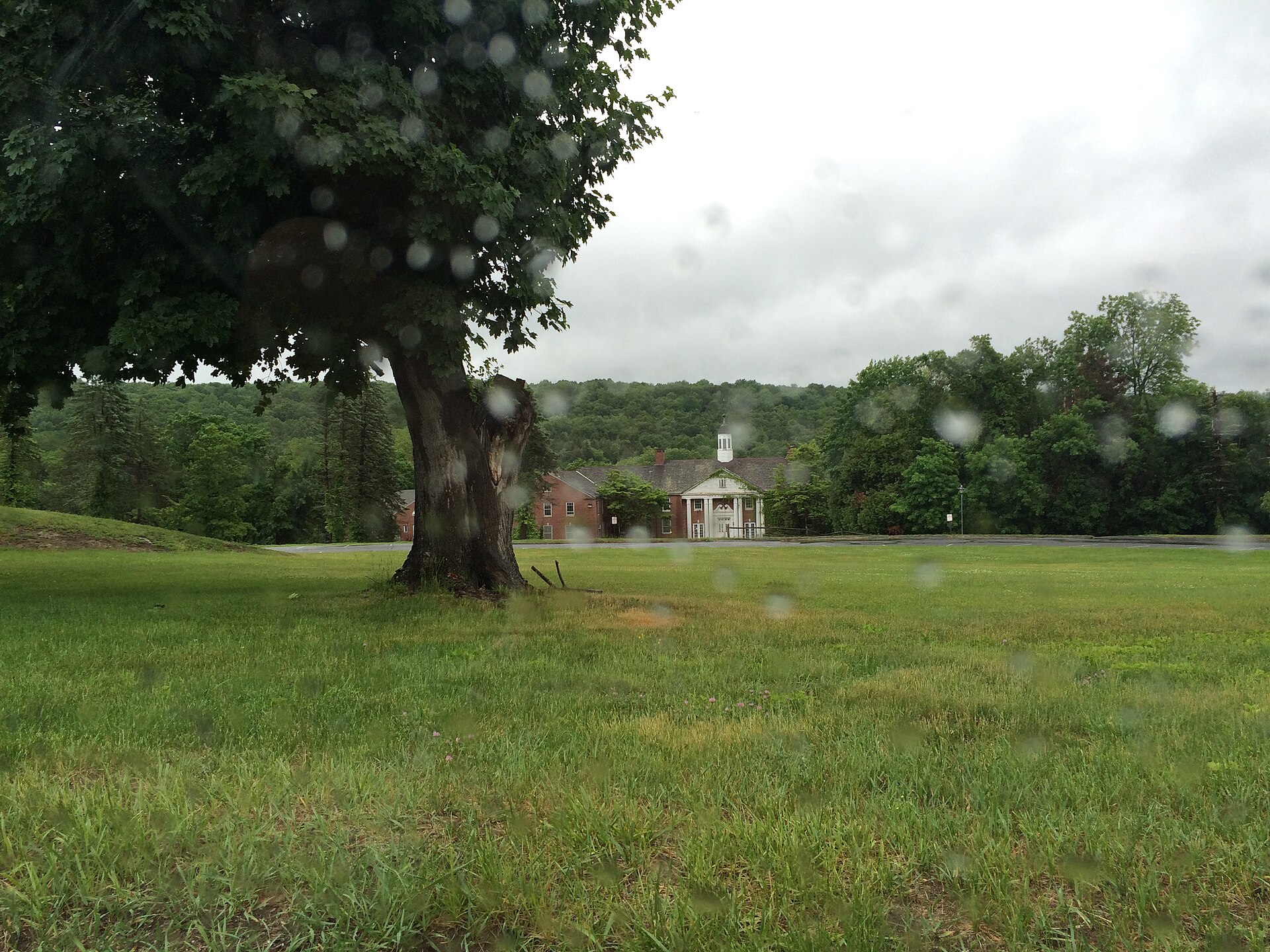
Southbury Training School was developed in the 1930s and opened in 1940 as a residential institution for people with intellectual disabilities. Its campus combined residential, educational, medical and administrative functions. The historic district entered the National Register in 1992. [CT066-S01] [CT066-S02]
Although admissions ended, the institution continued operating. Its history belongs to the wider changes in disability services and the movement toward community living. Architecture alone cannot explain residents’ experiences: testimony, policy records and accounts by people with disabilities are essential complementary sources. [CT066-S01] [CT066-S02]
The residential campus that opened in 1940 combined education, accommodation, medical care and administration. Its arrangement can be studied through plans and photographs, but the institution's buildings are only one part of its history. [CT066-S01] [CT066-S02]
The end of admissions did not immediately end operation. That distinction matters when following the broader movement toward community living and changes in disability services. Architecture can establish how spaces were organized, while testimony from people with disabilities is essential for understanding life within them and beyond them. National Register recognition in 1992 documents historic significance; it does not endorse every institutional policy or supply the missing perspectives of residents. The collection is a starting point for bringing those different forms of evidence together. [CT066-S01] [CT066-S02]
HISTORICAL PERIOD1930s construction; 1940 opening
SITE & COLLECTION STATUSActive historic institution; not an abandoned hospital
New Haven County · 5 included photographs
Research edition: September 12, 2026
About this research edition. A selected, source-based research collection for New Haven and Fairfield counties. Includes credited photographs where reusable images were located, historical interpretation and links to supporting records. It is a growing inventory, not an exhaustive survey. Photographs retain their individual dates and reuse terms; images do not establish present access conditions.